How Visitor Management Is Evolving Into Workplace Access Management
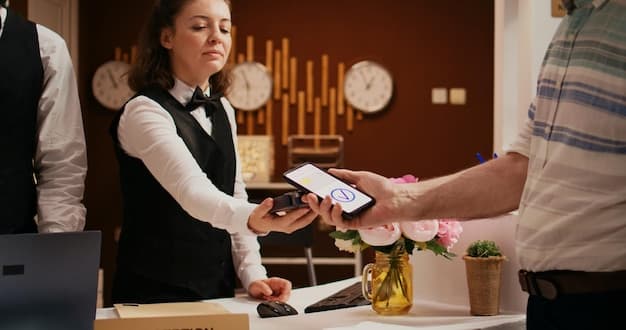
Visitor management used to be a relatively simple reception function.
A guest arrives, provides their details, receives a visitor pass and meets the person they came to see. But modern workplaces have more people, more facilities and more access points to manage. Employees, contractors, vendors, interview candidates, event attendees and delivery personnel may all move through the same premises.
As a result, visitor management is becoming part of a much larger requirement: workplace access management.
The focus is shifting from simply recording who entered a building to understanding who is entering, why they are there, where they should go, who they are meeting and what access they should have.
From Visitor Logs to Access Control
Traditional visitor management primarily answers one question:
Who is inside the building?
A modern workplace needs to answer several more:
- Who is expected to arrive?
- Has the visitor been approved?
- Which employee are they meeting?
- Which area should they access?
- When did they enter?
- When did they leave?
- Are they authorised to access a particular facility?
- Is there a record of their visit?
This changes the role of visitor management software.
Instead of operating as a digital replacement for a reception register, it becomes part of the workplace's broader access and security workflow.
The Workplace Has More Than One Type of Visitor
One reason access management is becoming more complex is that not everyone entering a workplace should be treated in the same way.
Consider a typical business facility.
An employee may have regular access to multiple areas.
A client may be allowed into a meeting room but not an operational area.
A contractor may need temporary access for a specific project.
A delivery executive may only need access to a reception or loading area.
An event attendee may have access for a limited period.
This means access needs to be based on identity, purpose, location and duration, rather than simply whether someone has checked in.
A modern system can therefore connect visitor registration with the appropriate access workflow.
A Real Product Example From Key Concepts
Key Concepts has developed a visitor management platform that goes beyond basic visitor registration.
The platform includes pre-registration, instant host alerts, touchless entry, blacklist management, visitor badges and audit trails. It also includes operational modules for meeting rooms, events, parcels, parking and material gate passes.
This changes the reception process from an isolated check-in activity into a connected workplace workflow.
For example, a visitor can be pre-registered before arriving. When the visitor reaches the facility, the system can support a faster check-in process and notify the host. The visit is then recorded, creating an auditable trail.
The same platform can support related workplace operations around meeting rooms, events, parking and material movement.
This is where visitor management starts becoming workplace access management.
The Process Is Becoming Connected
A modern workplace access flow can look like this:
Pre-Registration → Approval → Visitor Check-In → Identity Verification → Host Notification → Access → Visit Tracking → Check-Out
Each stage produces information that can be used by the next stage.
For example, pre-registration can provide the reception team with expected visitor information before the person arrives.
Host notification can reduce the need for reception staff to make calls.
A visitor badge can identify the purpose or status of the visit.
The audit trail provides a record of the visit after the person leaves.
The result is a connected process rather than a collection of individual reception tasks.
Architecture Behind Workplace Access Management
As the scope expands, the technology architecture also needs to support different users and workflows.
A typical workplace access platform can have several layers.
User Layer
This includes reception interfaces, visitor check-in screens, employee or host interfaces and administrative dashboards.
Application Layer
APIs and backend services manage visitor records, registrations, notifications, approvals and access workflows.
Identity and Access Layer
Authentication, role-based permissions and visitor or employee identity information determine what different users can access.
Workflow Layer
Business rules control processes such as pre-registration, approval, check-in, notifications and check-out.
Integration Layer
The platform can connect with systems such as access control hardware, communication services, calendars or other workplace applications, depending on the implementation.
Data and Audit Layer
Visitor records, timestamps, access activity and other operational information are stored for reporting and traceability.
The architecture therefore needs to support more than the front-desk experience. It needs to connect the people, processes and systems involved in workplace access.
Why Pre-Registration Matters
Pre-registration is one of the changes that moves visitor management away from a purely reactive process.
Instead of waiting for someone to arrive and then starting the registration process, organisations can prepare for the visit in advance.
A host can register an expected visitor, provide the relevant details and prepare the reception team.
When the visitor arrives, the system already knows who they are expected to meet.
This can reduce manual entry and make the check-in process more structured.
It also creates a better record of expected versus actual visitors.
Workplace Access Goes Beyond People
Another important development is that workplace access management is not only about people.
Modern facilities also need to track rooms, vehicles, parcels and materials.
For example, a visitor management platform may need to connect with:
Meeting Room Management
Who has booked the room and when?
Parking Management
Which vehicle is expected and where should it be directed?
Parcel Management
What has arrived, who is the recipient and when was it collected?
Material Gate Pass
What material is entering or leaving the facility and who authorised it?
Event Management
Who is attending and how should large groups be checked in?
These workflows extend the role of access management from the reception desk to the wider facility.
Security and Experience Need to Work Together
Workplace access systems have two competing requirements.
They need to improve security without making legitimate visitors feel like they are entering a highly restrictive environment.
This is why touchless entry, pre-registration, host notifications and faster check-in can be useful alongside security controls such as blacklist management and audit trails.
The objective is not simply to add more security steps.
It is to make the right security steps part of the normal visitor journey.
Key Concepts' broader software development approach focuses on building business-specific applications and supporting them through development, deployment and ongoing improvements.
What Comes Next?
The evolution from visitor management to workplace access management is ultimately about connecting information.
A visitor's identity connects to their host.
The host connects to the meeting.
The meeting connects to a room.
The visit connects to access permissions.
The check-in connects to an audit record.
And related activities such as parking, parcels and material movement can connect to the same workplace system.
That creates a more complete view of what is happening inside a facility.
For organisations still relying on paper registers, disconnected systems or manual reception processes, the opportunity is therefore larger than simply digitising visitor entry.
The next generation of visitor management is about managing access across the workplace, while keeping the experience simple for the people using it.
About Author
Sandeep Kumar
visitor management